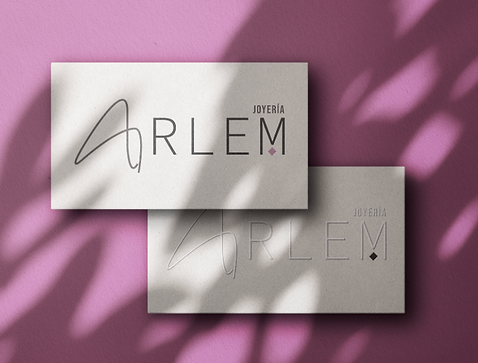
Arlem
Role: Designer
Duration:
5 weeks
Case:
Rebrand and migration of the current market
Tools used:
Illustrator, Photoshop, Canva, AI.
Status:
Currently designing their web page

A Bit About "ARLEM"
Arlem already existed as a brand, but it needed a rebrand in order to transition into a new market. The business evolved from direct in-person sales and individually visiting customers to building a stronger online presence and moving into the digital market.
First, we researched the preferences and interests of the target audience we wanted to reach in order to develop a brand tailored to that market. The goal was to create something unique and unconventional, with a balance of color and classic elements that reflected the personality and details of the accessories Arlem offers.
Process
Understanding
Research
Start drafts and proposal
Feedback
Polish and delivery
Web product
The process starts by understanding the client’s vision, goals, and personality for the brand. Through forms, meetings, and conversations, we explore the brand tone, target audience, inspirations, preferred colors, symbols, animals, emotions, and overall aesthetic direction to fully capture the client’s point of view.
Once the direction is clear, research begins. This includes benchmark analysis, studying competitors, market trends, audience behavior, and visual references related to the product or industry. The goal is to identify opportunities and create a brand that feels unique and relevant.
Based on the research, initial concepts and visual drafts are developed. Different logo explorations, typography options, color palettes, and visual styles are presented as proposals that align with the brand strategy and identity.
The client reviews the proposals and provides feedback. This stage is collaborative, helping refine the direction and make adjustments until the identity feels aligned with the brand vision and objectives.
After final approval, the selected concept is refined and polished. Final brand assets are prepared professionally, including logo files, color systems, typography guidelines, and any additional deliverables needed for consistent brand use.
Once the branding is complete, the identity is translated into digital experiences such as websites, online stores, or social media assets. The focus is on creating a cohesive online presence that reflects the brand visually and strategically across digital platforms.